
Fairfax · Lorton · Northern Virginia
Flood & Basement Water Cleanup in Fairfax, VA
Our local restoration professionals remove basement water and dry affected materials in Fairfax, VA. Pumping out the puddle leaves moisture behind; call and describe the flooding to start cleanup that reaches beyond the floor surface.
- Calls answered 24/7
- Water removal and drying
- Serving Fairfax and nearby
What Flood and Basement Water Cleanup Includes
Many people expect a wet-vac to finish basement cleanup. Flood cleanup services also address soaked materials and moisture beneath finished surfaces.
- Water assessment: Your technician checks where water entered, which rooms are affected and whether contamination changes the cleanup method. Outside floodwater needs different handling from a plumbing leak.
- Standing water removal: Pumps and extraction tools remove accessible water from floors and carpet. Safe access and electrical conditions determine how removal begins.
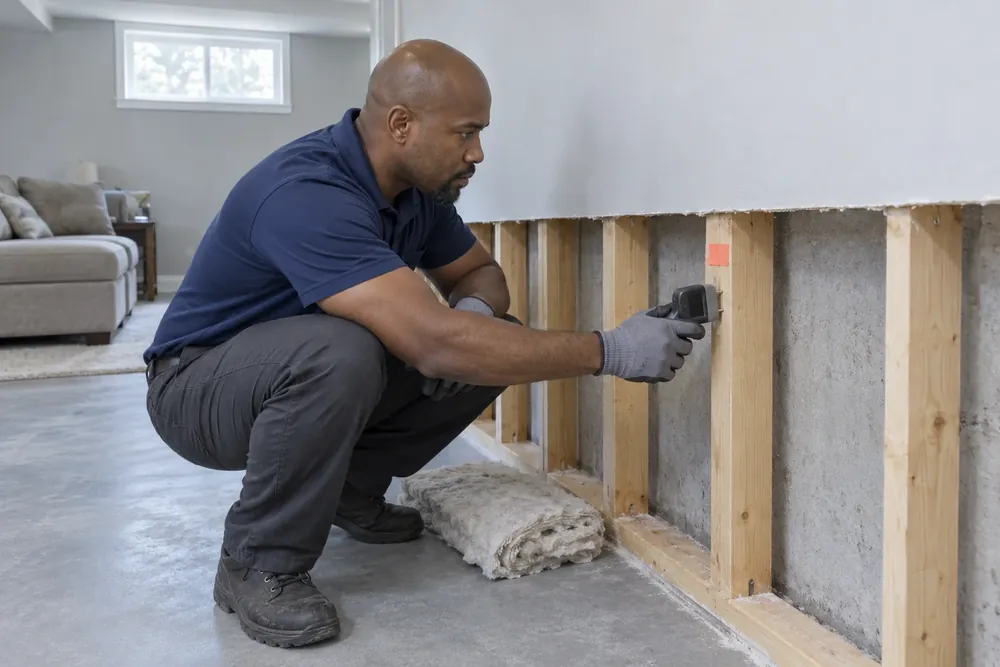
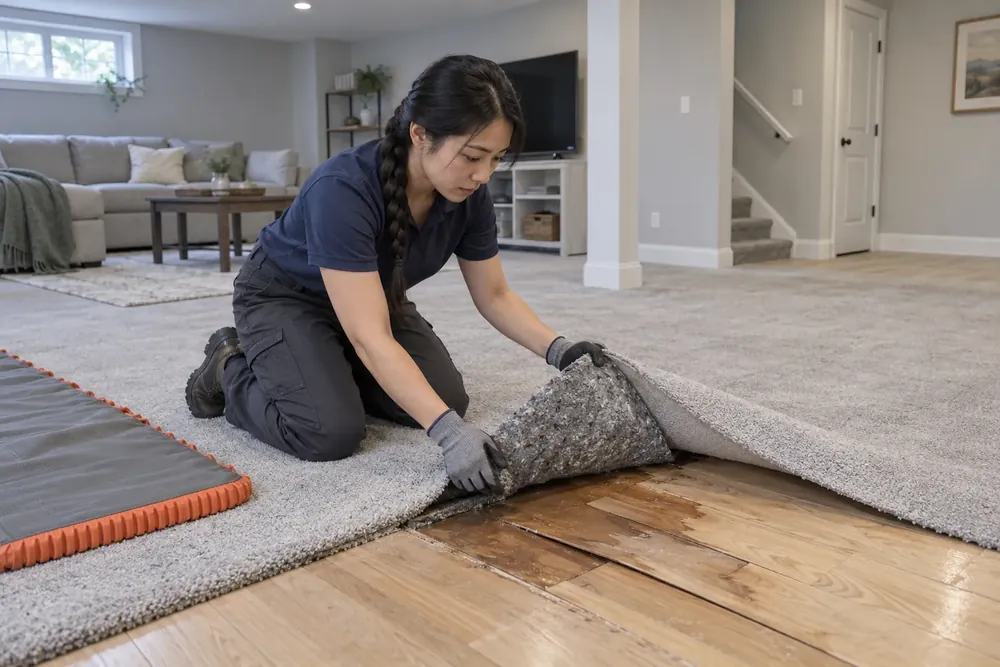
- Material decisions: Wet padding, insulation and damaged wallboard are assessed for removal. Materials that cannot be cleaned and dried are separated from salvageable belongings.
- Cleaning and drying: Affected surfaces are cleaned, with air movement and dehumidification arranged for materials that can remain. Contaminated areas need appropriate cleanup before drying equipment circulates air.
- Progress checks: Moisture measurements track the dry-out in floors, framing and wall edges. Remaining wet areas guide adjustments and the scope of later repairs.
Signs You Need Flood and Basement Water Cleanup
A floor that feels dry can still have wet layers underneath. Call about visible water or lingering changes in the room.
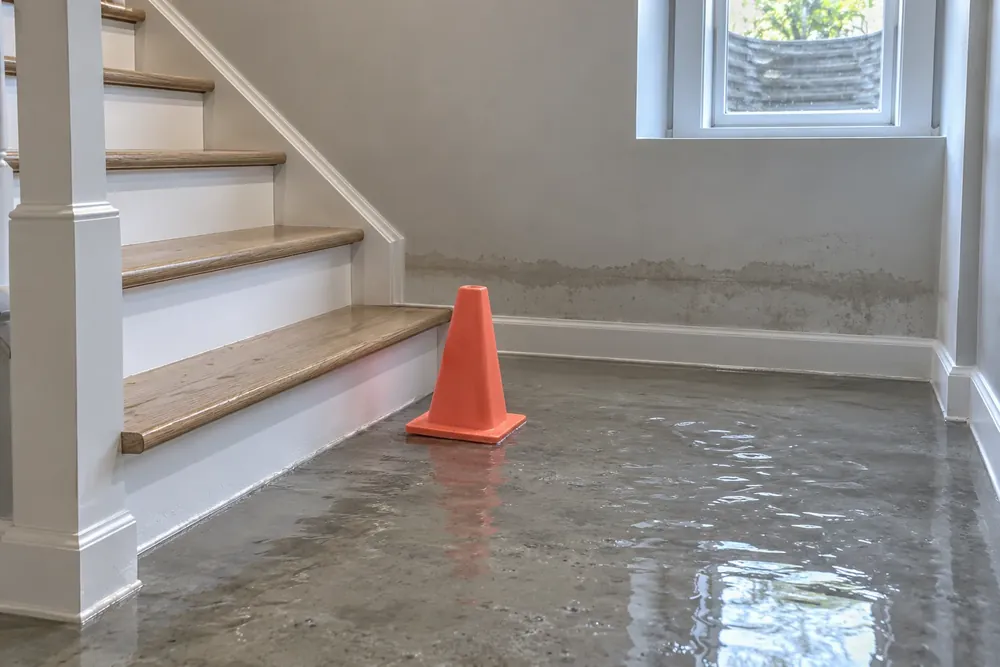
- Water pools at the stair landing or spreads across the basement floor.
- Carpet squishes underfoot, or padding remains soaked after surface water disappears.
- Baseboards swell, drywall softens or a waterline appears along the wall.
- A sump pump stops while water continues entering the basement.
- Dirty water, debris or a sewage odor accompanies the flooding.
How Basement Water Cleanup and Drying Work
Basement drying continues after the standing water is removed. The work moves from the call through assessment, extraction and measured drying.
- Call about the water: Describe the basement, visible flooding and any electrical concerns. Share the suspected source during the conversation without entering an unsafe area.
- Assess the damage: Your technician evaluates access, contamination and affected finishes, then explains the proposed work and its price.
- Remove water and damaged materials: Extraction clears accessible water; unsalvageable materials are removed and affected surfaces cleaned as the scope requires.
- Dry and measure: Air movers and dehumidifiers dry remaining materials under suitable conditions. Follow-up readings show where drying needs to continue before repairs cover the area.
What Affects Basement Cleanup Costs in Fairfax
A shallow puddle doesn't show the full drying job. Basement cleanup costs depend on the area affected, water contamination, access and the materials wet beneath the surface.
Carpet over concrete, insulated walls and built-in storage each create different removal and drying needs. More equipment time or material disposal changes the scope; replacing finishes is a separate part of recovery that should be identified in the estimate.
One of our local restoration partners will explain the basement work and its price before cleanup begins. The water damage restoration cost guide describes the factors behind an estimate without treating every basement as the same job.
Why Homeowners Call for Basement Water Cleanup
Homeowners call to get basement water assessed and a cleanup scope explained. The next steps focus on the wet room and the work it needs.
- Calls answered 24/7: Describe water entering the basement whenever the problem becomes apparent.
- One call to local help: The conversation connects you with a local restoration professional for basement assessment and cleanup.
- Work explained before it starts: The proposed scope distinguishes water removal, drying and damaged materials, with the price explained before work begins.
- Documentation for insurance: Photos, moisture readings and a written scope of the basement cleanup work can be kept as records for an insurance claim.
Basement Cleanup Documentation for an Insurance Claim
Photos, moisture readings and a written scope of the basement cleanup work can be kept as records for an insurance claim.
Your policy and insurer determine coverage for the claim, and the insurer is responsible for handling the insurance claim.
Staying Safe Around Basement Floodwater
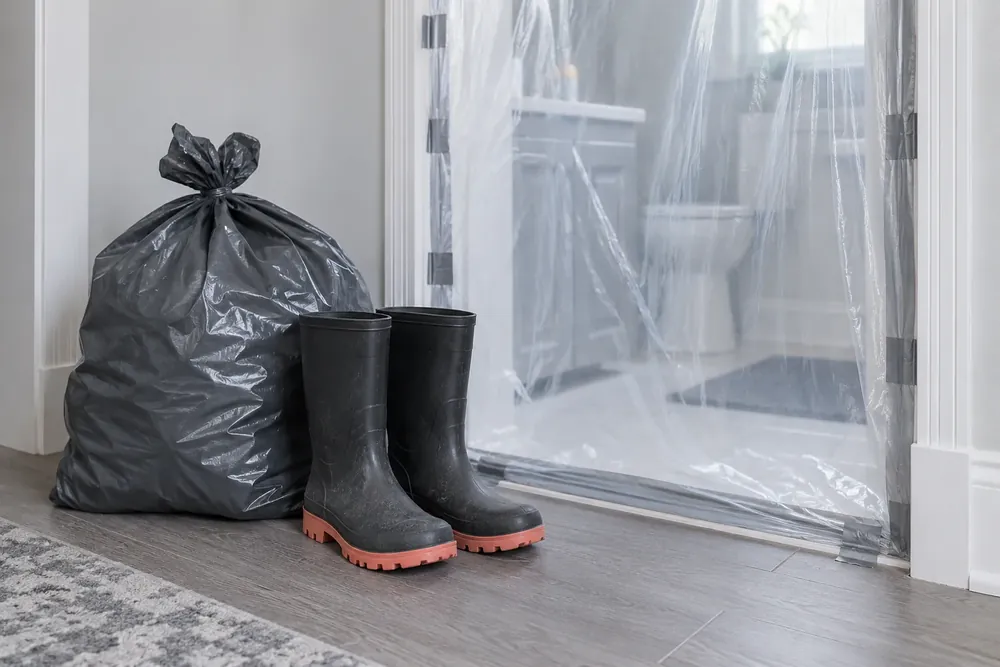
Clear-looking floodwater can still contain sewage, chemicals or sharp debris. Call for basement cleanup from a dry, safe location and keep children and pets away from the water.
- Avoid electrical contact: Don't touch outlets, appliances or switches while wet or standing in water. Never wade toward the electrical panel; an electrician should isolate power when access is unsafe.
- Stay out of rising water: Fairfax County advises moving to higher ground immediately when water rises and following official evacuation instructions.
- Leave contaminated areas alone: Don't start household fans where visible mold is present, and don't run a flood-affected heating or cooling system until a professional says it is safe.
- Keep access safe: Describe blocked stairs or wet utility equipment during the call rather than entering the basement to inspect them.
Related Water Damage Services


Areas We Serve Around Fairfax
Basement water removal and drying serve Fairfax, Lorton and surrounding Northern Virginia towns, including Burke and Springfield, as well as Washington DC and Maryland towns including Silver Spring, Bethesda and Rockville; call about water entering your home.
Flood & Basement Water Cleanup FAQs
Can a flooded house be saved?
A flood-damaged home may be restored when its structure is sound and damaged materials can be cleaned, dried or replaced. Water depth alone doesn't settle that question. Your technician assesses contamination, the condition of framing and finishes, and moisture beneath surfaces before explaining what can remain and what needs removal.
What does basement flooding look like?
Basement flooding can appear as standing water, saturated carpet, waterlines on drywall or water entering at floor edges. Visible puddles don't reveal every affected material. Swollen trim and damp wall bottoms also warrant a call, even after water recedes; describe those changes without walking into an unsafe basement.
Who should I call for flood restoration near me in Fairfax?
Call for a restoration professional who assesses basement water, removes it and checks the materials left behind. A flood cleanup service should address contamination and drying as well as the visible puddle. Describe the water's entry point and affected rooms during the call so the conversation starts with your situation.
Does flood damage repair near me include drying a basement?
Basement flood damage cleanup includes drying salvageable materials, while replacement of ruined finishes should be identified separately in the repair scope. Pumping alone leaves absorbed water behind. Ask during the call how extraction, cleaning, moisture checks and rebuilding fit together, especially when carpet, insulation or built-in cabinets are affected.
Can I call for flood cleanup near me after the water recedes?
Yes, receded water can leave wet padding, wall cavities and damaged finishes that still need assessment. Waiting for a room to feel dry doesn't establish that those materials are ready for repair. Call about waterlines, softened drywall or damp flooring; moisture measurements help determine the remaining cleanup and drying work.
Call about basement flooding in Fairfax or Lorton and describe where water is entering or what remains wet.
Call (703) 544-4750