
Difficult Run, Virginia
Water Damage Restoration in Difficult Run, VA
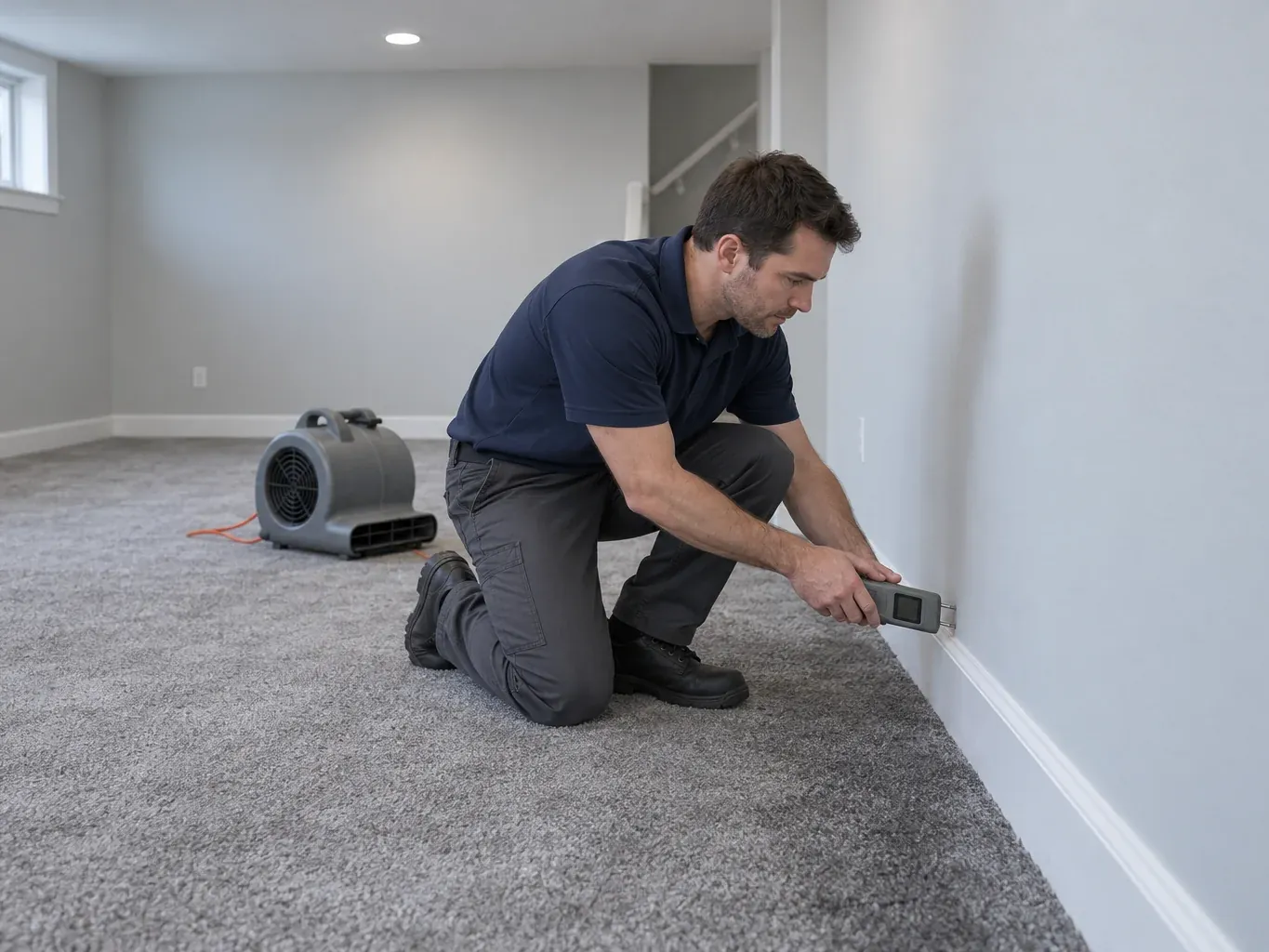
Our local water damage restoration professionals remove standing water and dry affected materials in Difficult Run, VA. Call about the leak, wet room or spreading stain, and a restoration professional will explain the next steps.
- Calls answered 24/7
- Water removal and drying
- Serving Difficult Run and nearby
Water Damage Services in Difficult Run
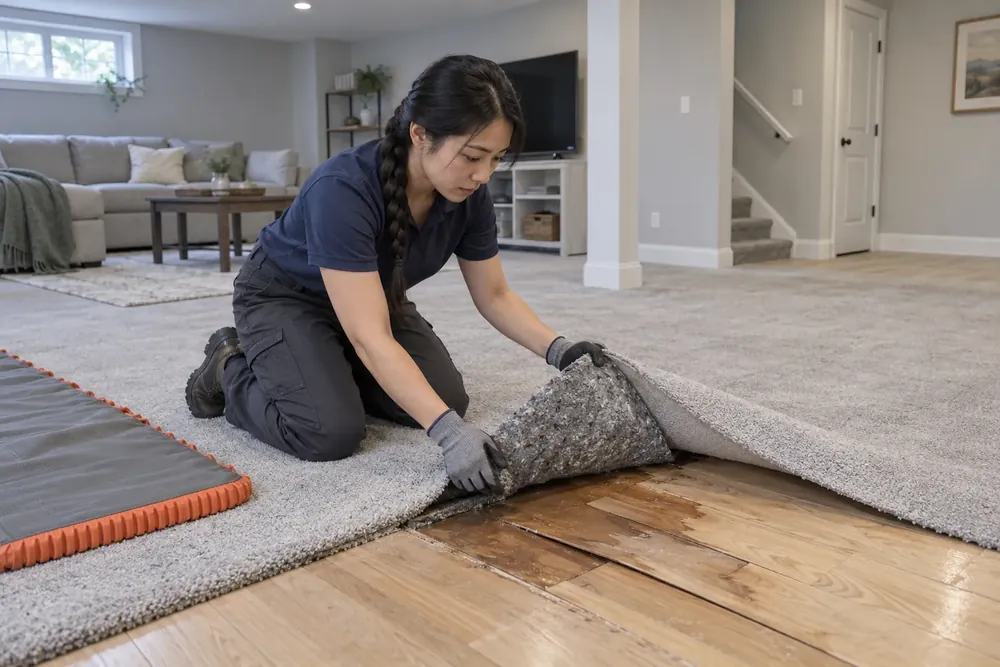
A fixed pipe can seem like the finish. Restoration professionals check the moisture left behind; call about water extraction in Difficult Run to discuss soaked carpet, wall cavities and the drying those materials need.


Common Water Damage Causes in Difficult Run
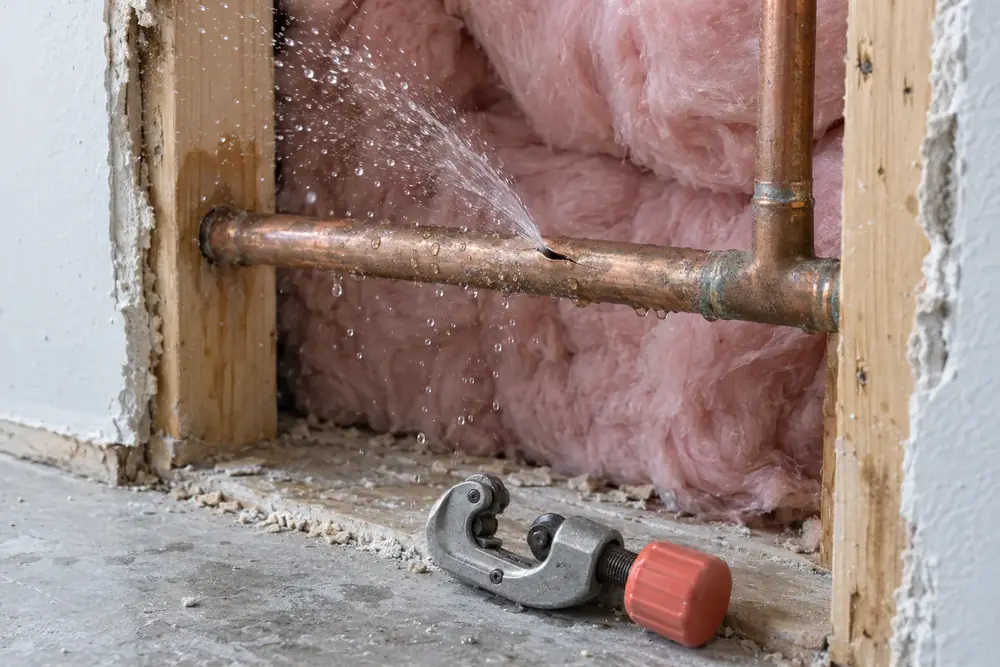
Many homeowners assume stopping a leak finishes the job. Water already inside flooring and insulation still needs attention. When assessing burst pipe water damage, Difficult Run, VA technicians trace the affected area beyond the broken connection, including rooms below the leak.
Other starting points include a leaking water heater, split washing machine hose, loose dishwasher fitting or blocked HVAC condensate drain. A sump pump that stops working may leave a basement wet. Describe drips, peeling paint or a stain that keeps growing when you call about ceiling water damage repair in Difficult Run.
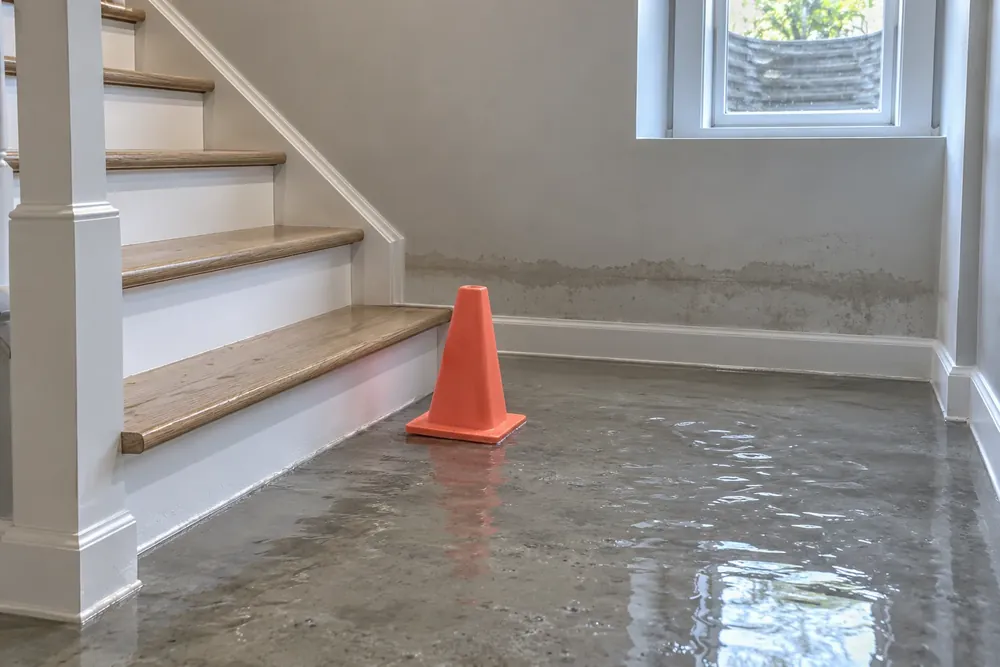
Fairfax County lists wet ponds at Vale and Berryland Farm in its Difficult Run watershed records. A neighborhood pond alone doesn't establish a home's flood risk. Call about flood cleanup in Difficult Run, VA and describe where water entered and whether it carried mud or debris. You can also report water around a floor drain, window well or foundation seam when discussing basement flood cleanup in Difficult Run.
From Your Call to Dry Materials
- Call to arrange water damage cleanup in Difficult Run and describe the rooms affected. Share what you know about the source during the conversation; an unknown cause is fine.
- Your technician checks accessible wet areas and records moisture readings. The inspection distinguishes visible puddles from moisture absorbed into building materials.
- Standing water is extracted, and the drying plan addresses flooring, walls and other affected surfaces. Materials that cannot be retained are identified in the written scope.
- Follow-up readings track the dry-out. Your technician explains which areas have reached the drying targets and which repairs remain before the space is finished.
Local Repair Details for Difficult Run
Permits Follow the Repair Scope
Replacement flooring and wall alterations have different permit requirements in Fairfax County. Its permit requirements list replacement flooring and painting among work that doesn't require a building permit, while removing or installing interior walls requires one. Additional approvals can still apply to a particular project.
For a Difficult Run home, the written scope should distinguish extraction and drying from wall reconstruction. Describe damage during the call; the repair assessment can then identify permit needs before reconstruction starts. Photos of opened cavities and moisture readings help record the condition before replacement materials cover the area.
Floodplain Details Are Address Specific
Floodplain status needs an address-level review when repairs involve land or drainage changes. Fairfax County's flood information explains that activities in a floodplain may require county approval. Living in the Difficult Run area doesn't establish that a particular house lies within one.
Call about water indoors now. Mention repeated entry through the same opening or runoff crossing the yard, and your technician can distinguish the immediate dry-out from any separate drainage work.
Local sources for Difficult Run
Neighborhoods We Serve in Difficult Run
Vale, Berryland Farm and Fox Heritage are named in county records for the Difficult Run watershed. When calling from those neighborhoods, give the street address as well as the community name. Describe the affected level and whether water is still entering so the inspection starts with the damage you see.
Also serving near Difficult Run:
Difficult Run Water Damage FAQs
What's the average cost of water damage repair in Difficult Run?
A useful price depends on the materials affected, water conditions and drying scope. Difficult Run homeowners get a clearer comparison when extraction, equipment use and replacement work are itemized. Before the start, one of our local restoration partners sets out the drying scope, any removal and the proposed price.
Can I call about emergency water removal in Difficult Run, VA at night?
You can call 24/7 about emergency water removal in Difficult Run, including when standing water appears overnight. Describe any active flow and the rooms affected during the call. Avoid entering water near electrical outlets or equipment. If a shutoff is safely accessible, closing it can limit a supply leak while removal and drying needs are discussed.
What documentation can I get for insurance after water damage?
Photographs, moisture readings and a written scope of the restoration work can be kept together with repair receipts as records for an insurance claim after water damage. Your policy and insurer decide coverage, and the insurer handles the insurance claim.
How long does restoration take after water damage?
Drying time depends on how deeply materials are wet and how readily moisture can escape. Extraction alone doesn't show that wall cavities or subfloors are dry. Your technician tracks progress with readings and adjusts the drying setup as needed. Replacement flooring, wall repairs and finishing work have their own schedules after the dry-out.
Does a plumber handle the entire restoration job?
Plumbing repair addresses the failed pipe or connection; restoration addresses water left in the house. A repaired supply line can leave soaked padding, trim and insulation behind. Call about both the source and the affected rooms. Your technician evaluates what can be dried, what needs removal and what repairs belong in the scope.
Call now about water in your Difficult Run home and describe the wet areas so the restoration assessment starts with your concerns.
Call (703) 544-4750