
Fairfax · Lorton · Northern Virginia
Water Damage Drywall Repair in Fairfax, VA
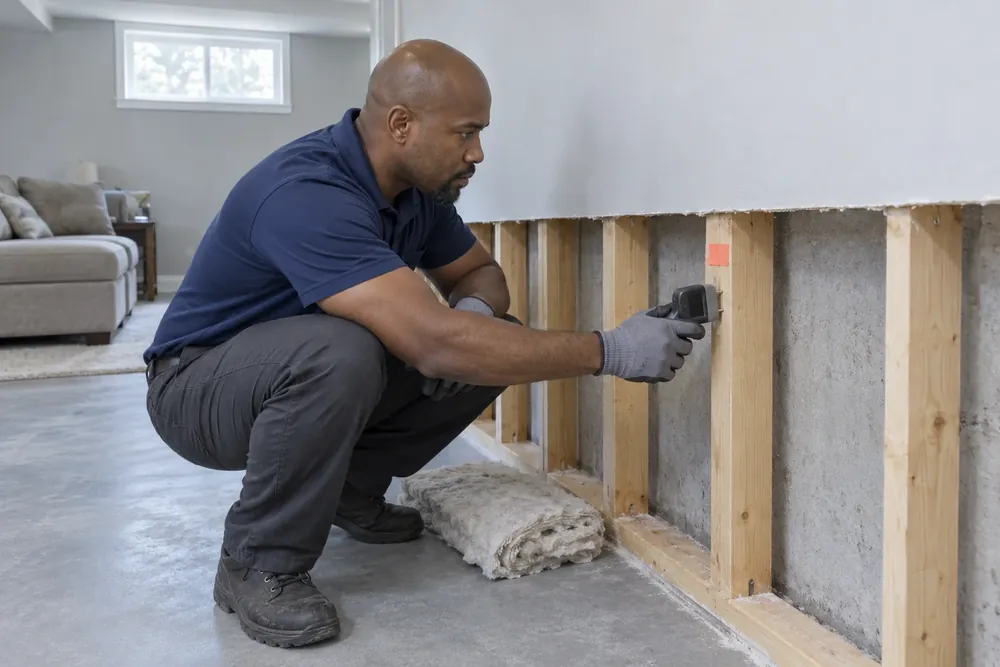
Our local restoration professionals check wet walls in Fairfax, VA, measure moisture inside accessible cavities, and plan drying or drywall replacement. Call about water damage on walls, and a local specialist will work through the inspection and repair steps with you.
- Calls answered 24/7
- Water removal and drying
- Serving Fairfax and nearby
Wall and Drywall Restoration Services in Fairfax
Some homeowners expect every wet panel to need replacement. Clean-water damage may allow sound drywall to dry in place when it hasn't swollen and its seams remain intact.
- Wall assessment: Your technician examines staining, softened panels, and swollen trim. Moisture checks extend into adjoining surfaces where the leak has spread.
- Selective opening: Access cuts expose affected cavities when necessary. During water damage repair, drywall removal follows the measured damage and material condition rather than a fixed cut height.
- Insulation inspection: Wet insulation and concealed framing are included in the assessment. Material that cannot be dried or retained is identified in the removal scope.
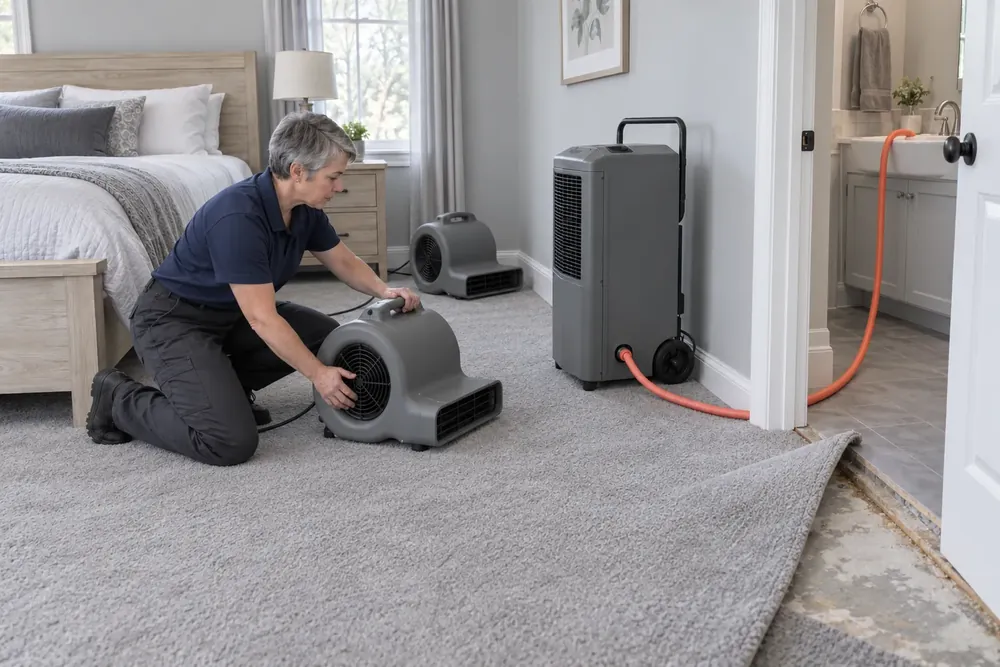
- Cavity drying: Air movers and dehumidifiers are positioned for the exposed wall assembly. Readings track progress inside accessible cavities, not just across the painted face.
- Replacement planning: Water damage wall repair includes defining the panels, trim, and finishes that need attention. The scope explains where drying ends and reconstruction begins.
Signs Your Walls Need Water Damage Repair
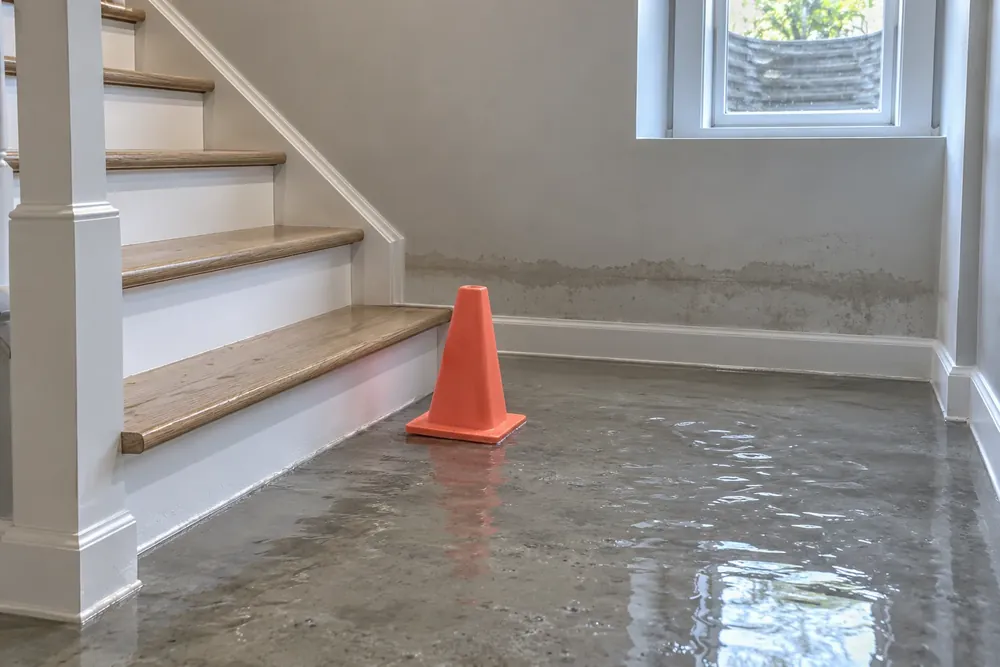
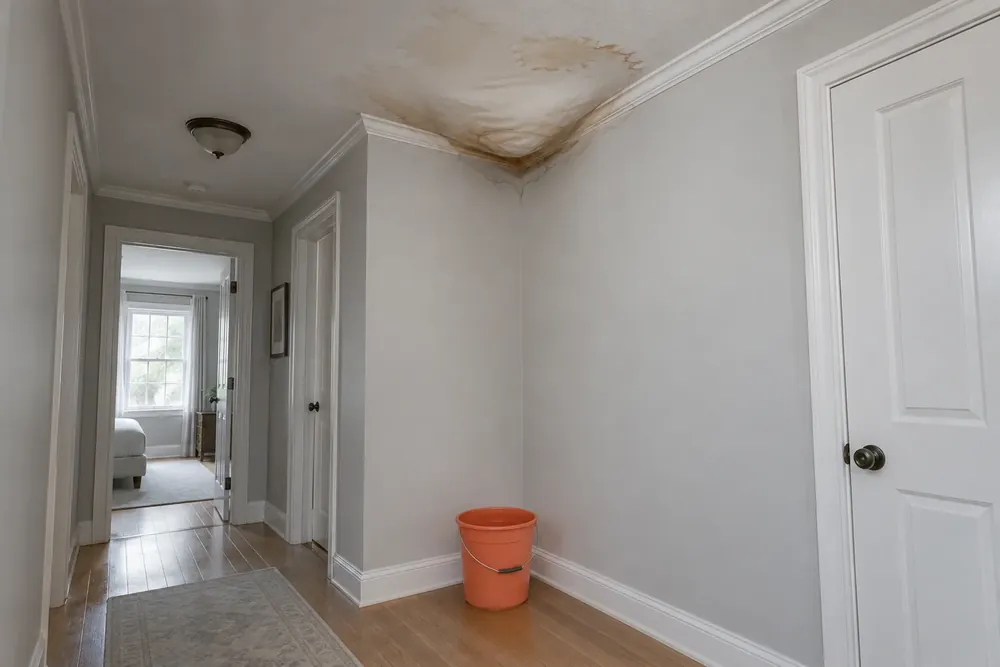
Fresh paint can make a damp wall look repaired. Recurring changes suggest the moisture problem still needs attention, so call when you see these signs.
- Paint lifts or blisters near a plumbing fixture or window.
- A wall panel softens, swells, or pulls apart at a joint.
- Baseboards separate from the wall or remain damp after a leak.
- Water marks spread toward adjacent rooms or down to the floor.
- A stain returns after patching, especially when rain or fixture use resumes.
From Your Call to Wall Cavity Drying
A room fan may seem enough for a wet wall. Concealed moisture needs access and a drying plan suited to the wall assembly.
- Start the conversation: Call about the wall's condition and the leak you noticed. You can share the affected rooms without cutting into the drywall yourself.
- Map the moisture: Your technician checks panel edges, trim, and accessible cavities to establish the extent of damage.
- Set the removal scope: The proposed work identifies retained panels, necessary openings, and damaged insulation, alongside the drying plan.
- Monitor the dry-out: Equipment settings and placement follow moisture readings. Replacement work follows assessment of the remaining framing and wall materials.
What Affects Water Damage Drywall Repair Cost in Fairfax
A narrow stain can look like a quick patch. Moisture behind cabinets, trim, or insulation may extend the work beyond that visible strip.
Wall area, cavity access, contamination, insulation removal, and drying time affect the price. Matching existing texture and replacing baseboards add finishing tasks. For water damage repair, wall openings also need to account for concealed wiring and plumbing rather than surface dimensions alone.
Before work starts, one of our local restoration partners will review the wall assessment, proposed repairs, and price with you. The water damage cost guide explains how drying and reconstruction contribute separately to the scope.
Why Call for Wall and Drywall Restoration
Call to understand which wall materials need drying, which need removal, and how the proposed work fits together.
- Around-the-clock conversations: Calls are answered 24/7, including when damp drywall appears after an evening appliance leak.
- A local contact: One call puts you in touch with a restoration professional for an assessment of the affected walls.
- A defined starting scope: The removal limits, drying tasks, and repair price are explained before work gets underway.
- A usable damage record: Photos, cavity moisture readings, and a written scope of the work can be kept as insurance claim records.
Wall Damage Records for an Insurance Claim
A wall stain can look like the full extent of a loss. Opening an affected cavity may reveal wet insulation or framing that deserves its own record.
Photos can show conditions before removal and the materials exposed afterward. Dated moisture readings and a written scope of the work can be kept as records for an insurance claim. Coverage depends on your policy and insurer; your insurer handles the claim.
Safe Steps Around Damp Walls and Drywall
A dry-looking wall can seem harmless to open. Wet cavities can contain electrical hazards; call about the damage and leave cutting to your technician.
- Avoid outlets, switches, or appliances that have become wet. The CDC warns against operating electrical tools or switching power while standing in water.
- Keep children and pets out of the affected work area, away from loose panels, nails, and debris.
- If floodwater or sewage reached the wall, avoid contact with affected materials. EPA guidance says fans should wait until the water is known to be sanitary.
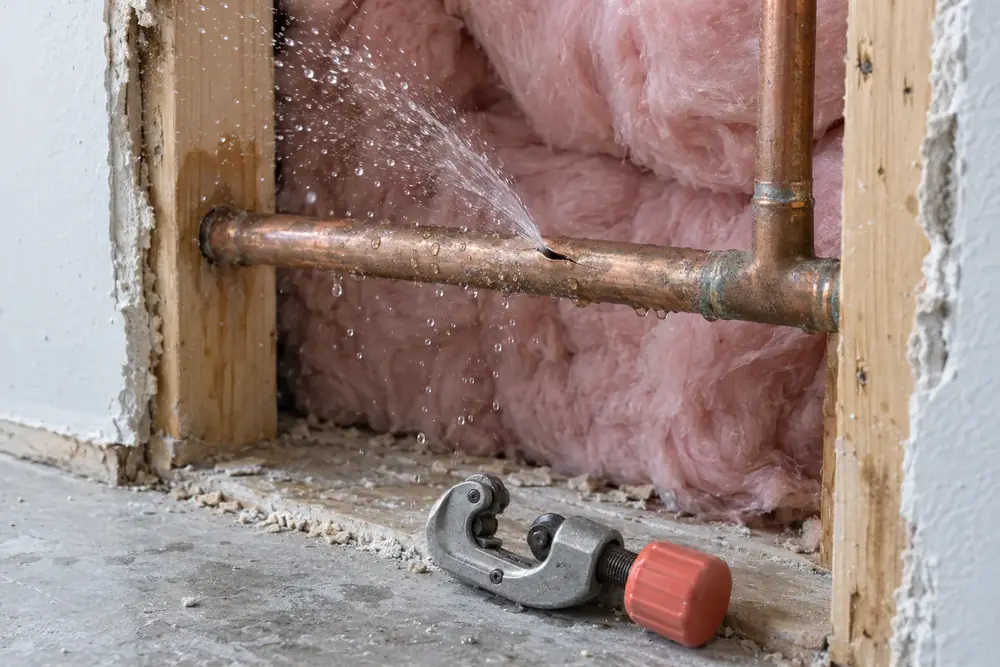
- Use an accessible water shutoff only when reaching it is safe. Do not remove a wet panel to find the valve.
Related Water Damage Services
Areas We Serve Around Fairfax
Wall and drywall restoration serves homes in Fairfax, Lorton, Springfield, Annandale, and Burke, as well as Washington DC and Maryland towns including Silver Spring, Bethesda and Rockville; call to describe the damp panels or wall staining.
Wall & Drywall Water Damage FAQs
Do you have to remove drywall after a flood?
Drywall exposed to contaminated floodwater generally needs removal, while sound panels affected by clean water may be candidates for drying in place. Swelling, damaged seams, and conditions inside the cavity matter. Your technician assesses the water source and material condition before defining removal limits, rather than treating every wet wall as the same job.
Can water-damaged walls dry without opening them?
Some walls can dry without extensive removal, but hidden moisture and the condition of the assembly determine whether access is needed. A panel can look normal while insulation behind it stays wet. Moisture checks help establish the affected area, and follow-up readings show whether drying is reaching the concealed materials before any surface repair.
Is painting over water damage enough to repair a wall?
Painting alone does not dry a wall or stop a leak. Source repair, moisture assessment, and drying come first, followed by replacement of materials that cannot be retained. Once the wall is ready for finishing, the repair scope can address joint treatment, stain blocking, matching texture, and paint without concealing an unresolved moisture problem.
Does wall repair after a leak require a Fairfax permit?
Permit requirements depend on the repair scope and whether the home is in the City of Fairfax or Fairfax County. The city requires permits for adding, removing, or modifying walls; the county also lists wall alterations as permit work. Call about the leak now; applicable permit requirements belong in the rebuilding plan before that work begins.
What happens during a wet drywall inspection?
Your technician examines affected panels and trim, takes moisture readings, and checks accessible cavities to define the drying or replacement work. With water damage, wall staining helps locate trouble but doesn't set the removal boundary by itself. The inspection also identifies source repairs and finishing tasks so the written scope describes the full sequence.
Call and describe the damp drywall, lifted paint, or spreading wall stain to start a conversation about inspection and drying.
Call (703) 544-4750